Professional O-Ring and Oil Seal Manufacturer, Sealing Solution Supplier Since 2008.



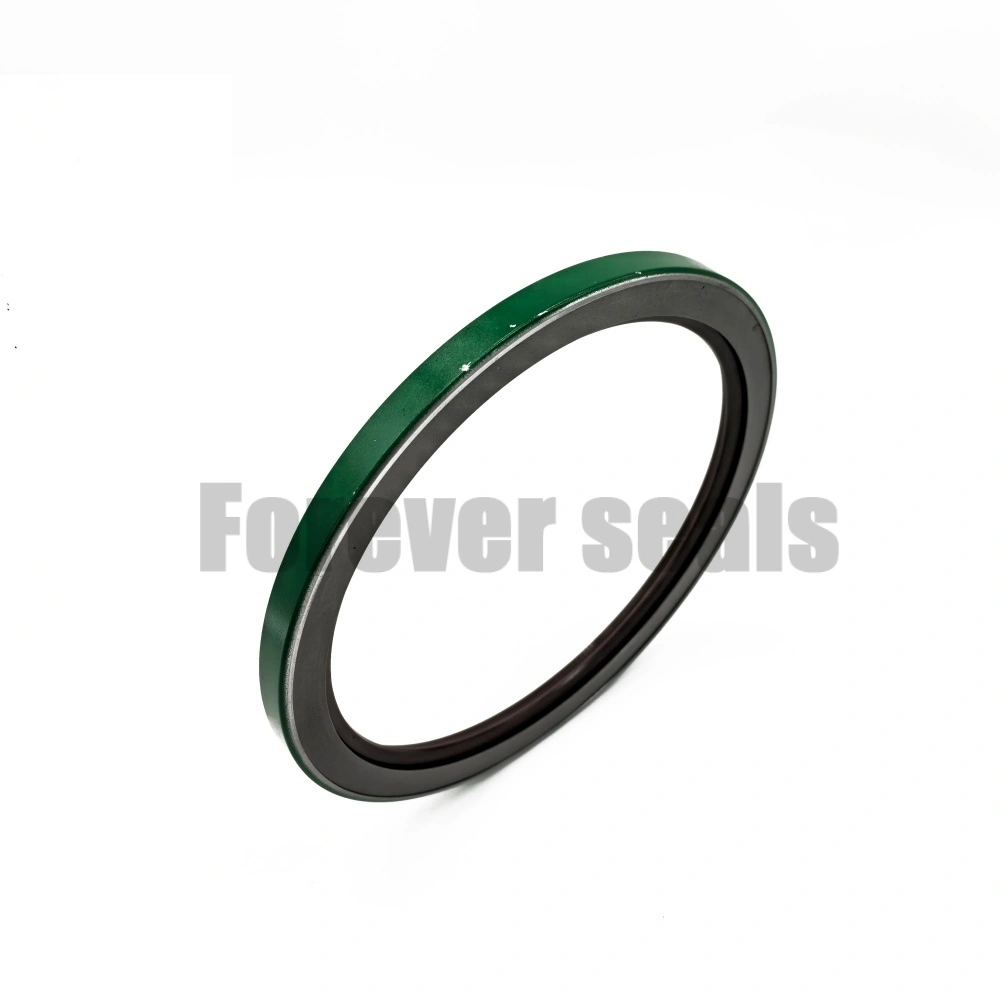
SA-Type High Temperature FKM Fluororubber Metal Framework Shaft Oil Seal
High Temperature Resistant Fluororubber Shaft Seal for Heavy-Duty Equipment
Designed to address the common limitations of conventional rubber oil seals—such as rapid aging at high temperatures, poor compatibility with aggressive lubricants, and deformation under pressure—this SA-FKM seal leverages FKM superior heat and chemical resistance, along with a precision-formed metal housing. The optimized lip geometry maintains consistent contact with the shaft to prevent fluid bypass, while the metal casing resists distortion during installation and operation. It is a durable, maintenance-friendly sealing solution for critical applications in engines, gearboxes and heavy machinery.
5.0
design customization
Please fill out the form below to request a quote or to request more information about us. Please be sure to upload customized requirement documents or pictures, and we will get back to you as soon as possible with a response. we're ready to start working on your new project, contact us now to get started.
Please fill out the form below to request a quote or to request more information about us. please be as detailed as possible in your message, and we will get back to you as soon as possible with a response. we're ready to start working on your new project, contact us now to get started.
1. Product Advantages
The SA-FKM oil seal delivers exceptional performance thanks to its FKM compound, which withstands continuous operating temperatures up to 200°C—far exceeding the limits of standard nitrile rubber seals—while offering superior resistance to mineral oils, synthetic lubricants, fuels and common industrial fluids to prevent swelling, hardening or cracking over time. Its rigid metal outer casing maintains dimensional integrity during press-fit installation and under high operating pressures, eliminating leaks caused by seal deformation, while the precision-machined sealing lip with optimized contact pressure minimizes shaft wear while maintaining effective oil retention, ultimately extending service intervals significantly compared to conventional seals.
2. Working Principle
When pressed into the equipment housing, the SA-FKM seal’s metal outer casing forms a tight interference fit to prevent seal movement. The FKM inner lip, shaped with a slight interference to the shaft, creates initial contact pressure to block fluid leakage. As equipment operates, the rotating shaft generates a thin lubricating film at the lip-shaft interface, reducing friction and wear. Under pressure or temperature fluctuations, the FKM elastomer maintains its elasticity, ensuring the lip remains in consistent contact with the shaft to prevent oil bypass. The metal shell also acts as a barrier against external contaminants, protecting the sealing lip from dirt and debris.
3. Product Details
Each SA-FKM oil seal is manufactured using high-grade steel for the outer casing, precision-stamped to ensure roundness and dimensional accuracy. The FKM sealing element is molded and bonded to the metal shell using a high-strength adhesive, ensuring no delamination under thermal cycling. Every seal undergoes strict quality checks, including dimensional tolerance verification, lip contact pressure testing and visual inspection for surface defects. Finished seals are individually packaged in anti-corrosion bags to protect the metal casing during storage and transit, with bulk packaging options available for industrial orders.
4. Application Range
Ideal for heavy-duty automotive engines, transmissions, axle assemblies and hydraulic systems in construction machinery, mining equipment and agricultural vehicles. Also suitable for industrial gearboxes, pumps and compressors operating with high-temperature lubricants or synthetic oils, where conventional rubber seals fail prematurely.
5. FAQ
Q1: Why use FKM instead of standard rubber for oil seals?
A1: FKM offers far superior heat resistance, oil compatibility and chemical stability, making it ideal for high-temperature or aggressive fluid environments where nitrile seals degrade quickly.
A1: FKM offers far superior heat resistance, oil compatibility and chemical stability, making it ideal for high-temperature or aggressive fluid environments where nitrile seals degrade quickly.
Q2: What is the typical operating temperature range for this SA-FKM seal?
A2: The standard compound operates reliably from -20°C to 200°C, with special formulations available for even higher temperature applications.
A2: The standard compound operates reliably from -20°C to 200°C, with special formulations available for even higher temperature applications.
Q3: Does the metal casing affect installation?
A3: The rigid metal shell ensures a secure press-fit into the housing, preventing seal movement or extrusion, but requires proper installation tools to avoid damaging the casing or lip.
A3: The rigid metal shell ensures a secure press-fit into the housing, preventing seal movement or extrusion, but requires proper installation tools to avoid damaging the casing or lip.
Q4: Can this seal handle high shaft speeds?
A4: The optimized lip design and FKM material minimize friction and heat buildup, allowing it to perform well in high-speed applications with adequate lubrication.
A4: The optimized lip design and FKM material minimize friction and heat buildup, allowing it to perform well in high-speed applications with adequate lubrication.
Q5: Are custom sizes or FKM formulations available?
A5: Yes, we offer custom SA-FKM seal dimensions and specialized FKM compounds (e.g., low-temperature grades, fuel-resistant formulations) to match specific equipment requirements.
A5: Yes, we offer custom SA-FKM seal dimensions and specialized FKM compounds (e.g., low-temperature grades, fuel-resistant formulations) to match specific equipment requirements.
6. Forever Seals’ Selling Points
With years of expertise in manufacturing high-performance oil seals, Forever Seals combines precision metal stamping, advanced FKM molding and rigorous quality control to deliver consistent, reliable products. We maintain inventory of standard SA-FKM seal sizes for fast delivery, while also offering custom engineering services for application-specific needs. Our technical team provides guidance on seal selection, installation best practices and troubleshooting, helping customers minimize downtime and extend equipment service life.
{{item.score}} Stars
{{item.pre}}%
{{item.nickname ? (item.nickname.slice(0, 2) + '*****') : item.source === 1 ? 'mall buyer' : '--'}}
{{item.comment_time}}
Review in the {{item.country}}
{{itemAttr.params_key}}: {{itemAttr.params_value}}
Get In Touch With Us
We are committed to meeting the diverse needs of our global customers through innovation and continuous improvement.
Need more information?
If you didn't find what you need, you can send an inquiry through our contact form.
Please fill in the form below.
Quick Links
Products
Contact Us